

Designing of brochures
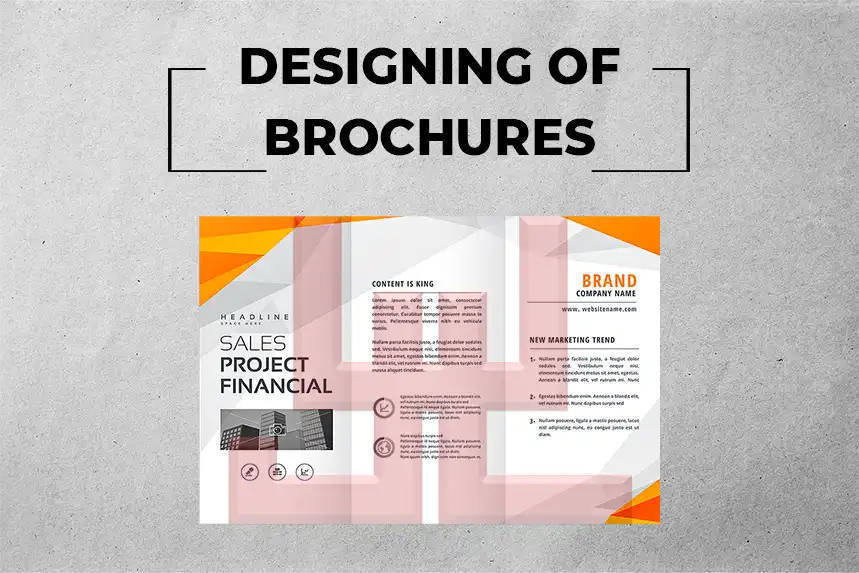
Color schemes, typography, and images play crucial roles in setting the tone and enhancing readability. Designers often strive to create a visually appealing layout that guides the reader’s eye through the content in a logical flow. Attention should be paid to the use of whitespace, as it can significantly improve comprehension and prevent the brochure from feeling cluttered. Moreover, incorporating high-quality visuals, such as photographs or graphic elements, can evoke emotions and create a lasting impression.
Another important aspect of brochure design is including a clear call-to-action. This prompts readers to take the next step, whether it’s visiting a website, calling for more information, or attending an event. By strategically placing this information, along with contact details, businesses can facilitate easier communication and engagement with potential customers. In essence, a well-designed brochure not only informs but also inspires action, making it a vital component of effective marketing strategies.